Lithium ion batteries have revolutionized how we power our devices — from handheld electronics to electric vehicles and renewable energy storage systems. This article explores why lithium ion battery technology has become indispensable in modern life, examining how these batteries work, their advantages compared to older technologies, key application areas, industry trends, and essential safety considerations. You’ll also learn how manufacturers like VCELL POWER innovate and deliver high‑performance battery solutions suited for today’s advanced energy demands.
How Lithium Ion Batteries Work
At a basic level, lithium ion batteries are rechargeable energy storage systems where lithium ions move between the anode and cathode during charging and discharging. This movement of lithium ions through an electrolyte enables efficient energy conversion in a compact form. Li‑ion cells consist of a cathode (often made of lithium metal oxides), an anode (usually graphite), a separator, and a lithium‑based electrolyte that facilitates ion movement. During charging, lithium ions migrate from the cathode to the anode; during discharge, they reverse direction, producing electrical power.
Key Advantages of Lithium Ion Batteries
-
High Energy Density: Lithium ion batteries store significantly more energy per unit weight or volume compared with older chemistries, making them ideal for portable electronics and EV powertrains.
-
Lightweight and Compact: The compact design enables smaller, lighter devices with longer runtimes.
-
Faster Charging: Li‑ion batteries can typically be charged much faster than traditional alternatives such as lead‑acid batteries.
-
Long Cycle Life: Modern Li‑ion systems can endure hundreds to thousands of charge cycles with minimal capacity loss.
-
No Memory Effect: Users can recharge them at any state without affecting capacity — unlike older rechargeable battery types.
-
Low Self‑Discharge: Li‑ion batteries retain charge well when not in use.
Comparison with Other Battery Technologies
Compared to lead‑acid and nickel based chemistries, lithium ion batteries offer superior performance across multiple metrics: higher energy density, faster charging, longer useful life, and negligible maintenance requirements. These performance differences have driven industries such as automotive and consumer electronics to transition toward Li‑ion tech.
|
Feature
|
Lithium Ion
|
Lead‑Acid
|
Ni‑MH
|
|
Energy Density
|
High
|
Low
|
Moderate
|
|
Cycle Life
|
Long
|
Short
|
Moderate
|
|
Weight
|
Light
|
Heavy
|
Moderate
|
|
Charging Speed
|
Fast
|
Slow
|
Moderate
|
|
Maintenance
|
Low
|
High
|
Moderate
|
Main Applications Driving Demand
The versatility of lithium ion batteries makes them ideal for a wide range of uses:
-
Consumer Electronics: Smartphones, laptops, tablets
-
Electric Vehicles (EVs): Cars, e‑bikes, scooters
-
Renewable Energy Storage: Residential and commercial solar + storage
-
Industrial & Robotics: AGVs, automated systems
-
Medical & Instrumentation: Portable medical devices
How VCELL POWER Elevates Lithium Ion Batteries
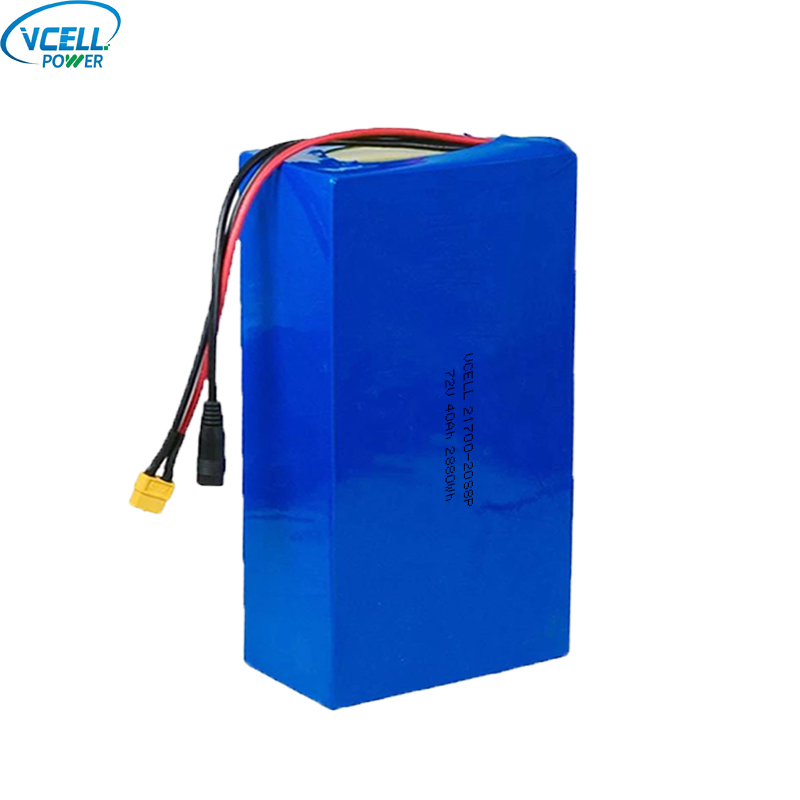
As a professional lithium ion battery manufacturer, [Visit VCELL POWER Lithium Ion Battery page](https://www.vcellpowergroup.com/?utm_source=chatgpt.com) specializes in customizable Li‑ion batteries ranging from 24V to 72V configurations. Their automated production lines and ISO9001 quality management ensure high performance across applications including e‑bikes, AGVs, power tools, and more.
-
Wide selection of pack voltages and capacities
-
Advanced Battery Management Systems (BMS)
-
International Certifications (UN38.3, UL, CE, ROHS)
-
Exported worldwide to 80+ countries
Safety Considerations and Best Practices
While lithium ion batteries have many advantages, they also require careful handling to prevent issues such as overheating or thermal runaway. Proper charging protocols, quality BMS protections, temperature monitoring, and avoiding physical damage are essential to safe operation.
-
Use chargers certified for Li‑ion chemistry
-
Avoid extreme temperatures and overcharging
-
Inspect for swelling or leaks
-
Recycle or dispose responsibly
Future Trends in Lithium Ion Batteries
Research continues to enhance energy density, improve safety, and reduce costs. Emerging alternatives like solid‑state batteries and sodium‑ion chemistries are gaining interest, yet lithium ion remains the market leader due to mature supply chains and performance stability.
Frequently Asked Questions (FAQ)
What is a lithium ion battery?
It’s a rechargeable energy storage device where lithium ions move between electrodes during charge and discharge cycles.
How long do lithium ion batteries last?
Depending on usage and chemistry, most Li‑ion batteries last several years or hundreds of charge cycles.
Can lithium ion batteries be used in EVs?
Yes — EVs heavily rely on high‑capacity Li‑ion battery packs for energy and range.
For high‑quality custom lithium ion battery solutions that meet diverse application demands, reach out to VCELL POWER and contact us today to get a tailored quote and expert support.