
Why Are Lithium Polymer Batteries a Game Changer for Portable Devices
Lithium Polymer Batteries are rapidly transforming how portable electronics, drones, smart wearables and other modern devices are powered. Compared with traditional energy storage solutions, their lightweight, flexible form factor, excellent cycle life, high energy density and safety features make them a superior choice for designers and consumers alike. In this article we explore what makes LiPo batteries unique, how they compare to other chemistries, and how companies like VCELL POWER lead in manufacturing customized LiPo solutions for global markets.
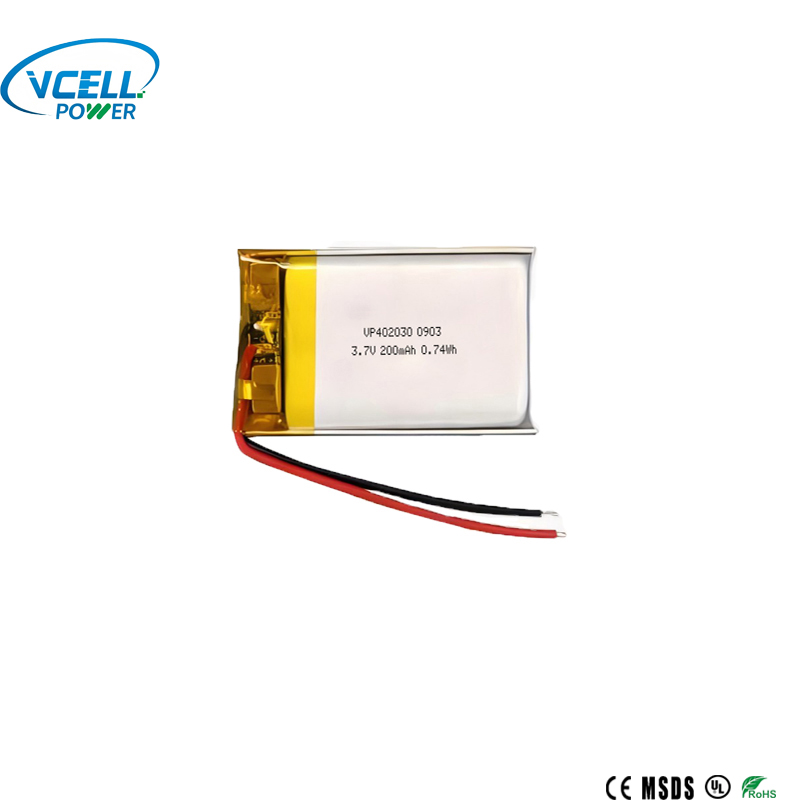
Table of Contents
- What Is a Lithium Polymer Battery?
- Key Features of Lithium Polymer Batteries
- Advantages Over Other Battery Types
- Typical Applications Across Industries
- How to Select the Right LiPo Battery
- Frequently Asked Questions
1. What Is a Lithium Polymer Battery?
A Lithium Polymer Battery (LiPo) is a type of rechargeable battery that uses a polymer electrolyte instead of the traditional liquid electrolyte found in classic Li‑ion cells. The polymer electrolyte can be solid, gel‑like, or reinforced, enabling flexible packaging and ultra‑thin cell designs.
Unlike rigid cylindrical or prismatic cells, LiPo batteries are typically pouch cells that can be shaped to fit space‑constrained electronic devices, making them ideal for modern portable tech and wearable gadgets.
2. Key Features of Lithium Polymer Batteries
| Feature | Description |
|---|---|
| Form Factor | Thin, lightweight and customizable shape |
| Energy Density | High energy per unit weight and volume |
| Cycle Life | Typically >700+ cycles with consistent performance |
| Safety Profile | Reduced risk of leakage and thermal runaway |
| Operating Range | Suitable for wide temperature and use environments |
- Lightweight and ultra‑compact designs allow greater flexibility in product engineering.
- High energy density enables longer run times for devices.
- No memory effect and low self‑discharge improves user experience.
- Protection circuitry (PCM) ensures safer operation against short circuits.
3. Advantages Over Other Battery Types
When compared with traditional lithium‑ion batteries, lithium polymer batteries have several distinct edges:
- Improved Safety: Polymer electrolytes are less prone to leakage and thermal runaway.
- Flexible Shapes & Sizes: Thin pouch designs allow integration in tightly constrained spaces.
- Enhanced Energy per Volume: The flexible form factor allows higher usable energy density.
- Stable Power Delivery: LiPo batteries maintain stable output giving consistent performance across charge cycles.
According to industry comparisons, LiPo batteries generally provide higher energy density and flexibility than metal‑cased lithium ion cells, making them a better choice for next‑generation electronics and fast‑moving innovation segments.
4. Typical Applications Across Industries
Lithium Polymer Batteries are used in a wide range of devices from consumer electronics to industrial applications:
- Bluetooth speakers, headphones and portable audio gear.
- Smart wearables such as fitness trackers, smart watches and medical sensors.
- Drones, RC vehicles and remote‑controlled tech with high‑power demands.
- Mobile POS, handheld scanners, digital cameras and other battery‑dependent gear.
From low‑capacity 50 mAh cells to high‑capacity 8000 mAh variants, manufacturers like VCELL POWER offer a broad model range to fit different industry needs.
5. How to Select the Right LiPo Battery
Choosing the right lithium polymer battery involves understanding the specific demands of your device:
- Voltage Requirement: Determine the nominal voltage, such as 3.7 V, 7.4 V or higher.
- Capacity Needs: Select capacity (mAh) based on expected run time.
- Dimensions & Fit: Ensure space fits the battery shape and size.
- Protection Needs: Ask for a PCM (protection circuit module) for device safety.
Reputable battery suppliers like VCELL POWER provide customizable lithium polymer battery solutions tailored to specific sizes, capacities and performance crates, backed by quality assurance standards.
6. FAQs – Lithium Polymer Batteries
- Q1: Are LiPo batteries safer than ordinary Li‑ion batteries?
- A: Yes — due to the polymer electrolyte and flexible packaging, LiPo batteries present a lower risk of leakage and explosion than many traditional Li‑ion cells.
- Q2: How long do LiPo batteries typically last?
- A: Good quality LiPo batteries usually provide over 700 full charge/discharge cycles with stable performance and long service life.
- Q3: Can LiPo batteries be shaped for custom devices?
- A: Yes — one of the biggest advantages is flexibility in size and shape, allowing better space utilization in product design.
- Q4: What applications benefit most from LiPo technology?
- A: Devices that require lightweight, high‑energy and custom‑shaped power sources—such as drones, wearables and smart electronics.
At the forefront of high‑quality lithium polymer battery production, VCELL POWER offers tailored battery solutions with global certifications and extensive model options for different industries. Whether you need ultra‑thin wearable power cells or high‑capacity drone batteries, their expertise helps you get the perfect LiPo solution for your product needs.
Ready to power your next innovation with advanced LiPo technology? Contact us today and let VCELL POWER deliver the perfect lithium polymer battery solution tailored to your project!
Send Inquiry
-
WhatsApp
-
E-mail