
Why Choose Ni-MH Batteries for Your High-Drain Devices
https://www.vcellpowergroup.com/ni-mh-batteryRechargeable Nickel-Metal Hydride (Ni-MH) batteries remain one of the most trusted and widely used power solutions for high-drain electronic devices worldwide. While lithium-ion technologies dominate headlines, Ni-MH batteries continue to play a critical role thanks to their stable discharge performance, safety profile, environmental advantages, and cost-effectiveness.
In this in-depth guide, we explore why Ni-MH batteries are still highly relevant, how they work, where they outperform other battery chemistries, and what factors to consider when selecting a reliable supplier. Drawing insights from industry practices and real-world applications, this article also highlights the role of VCELL POWER as a professional Ni-MH battery manufacturer and solution provider.
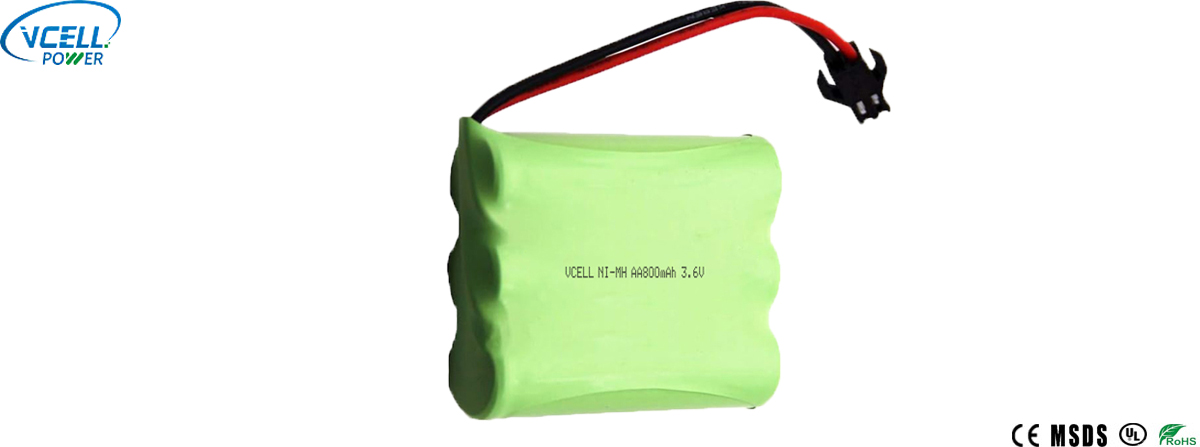
Table of Contents
- What Is a Ni-MH Battery?
- How Do Ni-MH Batteries Work?
- Why Are Ni-MH Batteries Ideal for High-Drain Devices?
- Key Advantages of Ni-MH Batteries
- Ni-MH vs Other Rechargeable Battery Technologies
- Common Applications of Ni-MH Batteries
- How to Properly Maintain Ni-MH Batteries
- Technical Specifications Comparison Table
- Frequently Asked Questions (FAQ)
- Conclusion: Is Ni-MH the Right Choice for You?
1. What Is a Ni-MH Battery?
A Ni-MH battery is a type of rechargeable battery that uses nickel hydroxide as the positive electrode and a hydrogen-absorbing metal alloy as the negative electrode. It was developed as an environmentally friendly alternative to nickel-cadmium (Ni-Cd) batteries, eliminating toxic cadmium while significantly increasing energy capacity.
Ni-MH batteries typically provide a nominal voltage of 1.2V per cell, making them compatible with devices designed for standard AA, AAA, C, D, and custom battery pack formats. Manufacturers like VCELL POWER specialize in producing both standard and customized Ni-MH battery packs to meet industrial, medical, and consumer requirements.
2. How Do Ni-MH Batteries Work?
Ni-MH batteries generate electricity through a reversible electrochemical reaction. During discharge, hydrogen ions move from the metal hydride negative electrode to the nickel-based positive electrode, producing an electric current. When charging, this process reverses, allowing the battery to store energy again.
This reversible chemistry allows Ni-MH batteries to be recharged hundreds or even thousands of times under proper conditions. Unlike older battery types, Ni-MH batteries exhibit minimal memory effect, meaning users do not need to fully discharge them before recharging.
3. Why Are Ni-MH Batteries Ideal for High-Drain Devices?
High-drain devices require a consistent and reliable power supply over extended periods. Ni-MH batteries excel in these scenarios because they maintain a stable voltage output even under heavy load.
Devices such as digital cameras, power tools, handheld medical equipment, and wireless gaming controllers all benefit from the ability of Ni-MH batteries to deliver strong current without sudden voltage drops. This stability ensures consistent performance and reduces unexpected shutdowns.
4. Key Advantages of Ni-MH Batteries
- High Energy Density: Higher capacity than Ni-Cd batteries, allowing longer runtimes.
- Stable Discharge Curve: Maintains usable voltage until near depletion.
- Rechargeable & Cost-Effective: Lower long-term cost compared to disposable batteries.
- Environmentally Friendly: Cadmium-free and easier to recycle.
- Enhanced Safety: Lower risk of thermal runaway compared to some lithium chemistries.
These benefits explain why VCELL POWER Ni-MH battery solutions are widely used in demanding commercial and industrial environments.
5. Ni-MH vs Other Rechargeable Battery Technologies
Choosing the right battery chemistry depends on application requirements. Below is a high-level comparison:
| Battery Type | Energy Density | Safety | Cost | Best Use Case |
|---|---|---|---|---|
| Ni-MH | Medium | High | Moderate | High-drain, long-term use |
| Lithium-Ion | High | Medium | Higher | Lightweight, compact devices |
| Ni-Cd | Low | Medium | Low | Legacy equipment |
6. Common Applications of Ni-MH Batteries
- Consumer electronics (cameras, controllers, toys)
- Medical equipment and monitoring devices
- Emergency lighting and backup systems
- Power tools and industrial instruments
- Remote controls and smart home devices
Thanks to their adaptability, Ni-MH battery packs from VCELL POWER are often custom-designed to meet specific voltage, capacity, and form-factor requirements.
7. How to Properly Maintain Ni-MH Batteries
Proper maintenance significantly extends battery lifespan:
- Avoid deep discharge whenever possible
- Store batteries in a cool, dry environment
- Use compatible smart chargers
- Perform occasional full charge-discharge cycles
Although Ni-MH batteries exhibit some self-discharge, modern low-self-discharge designs help minimize energy loss during storage.
8. Technical Specifications Comparison Table
| Parameter | Ni-MH Battery |
|---|---|
| Nominal Voltage | 1.2V |
| Typical Capacity | 600–10,000 mAh |
| Cycle Life | 500–1000 cycles |
| Operating Temperature | -20°C to 60°C |
9. Frequently Asked Questions (FAQ)
Q1: Are Ni-MH batteries better than alkaline batteries?
For high-drain devices, yes. Ni-MH batteries provide longer runtime, better voltage stability, and reusability.
Q2: Do Ni-MH batteries suffer from memory effect?
Modern Ni-MH batteries have minimal memory effect and do not require full discharge before charging.
Q3: Are Ni-MH batteries safe for daily use?
Yes. Ni-MH batteries are widely regarded as safe and stable when used with proper chargers and protection circuits.
10. Conclusion: Is Ni-MH the Right Choice for You?
Ni-MH batteries continue to offer an excellent balance of performance, safety, sustainability, and cost-efficiency. For applications that demand reliable power delivery and long operational life, Ni-MH remains a smart and proven choice.
If you are looking for high-quality Ni-MH batteries or custom battery pack solutions, VCELL POWER provides professional manufacturing, strict quality control, and tailored energy solutions for global customers.
Ready to upgrade your power solution? Contact us today to discuss your Ni-MH battery requirements and discover how VCELL POWER can support your next project.
Send Inquiry
-
WhatsApp
-
E-mail