
What Is a Sodium Ion Battery and How Does It Work
A Sodium Ion Battery is emerging as a powerful alternative to traditional lithium-ion energy storage systems. Driven by abundant raw materials, cost efficiency, and improved safety performance, sodium-ion battery technology is rapidly gaining attention across grid storage, renewable energy integration, and industrial power applications. This in-depth article explains what a sodium ion battery is, how it works, its core advantages, limitations, real-world applications, and why manufacturers like VCELL POWER are investing heavily in its future.
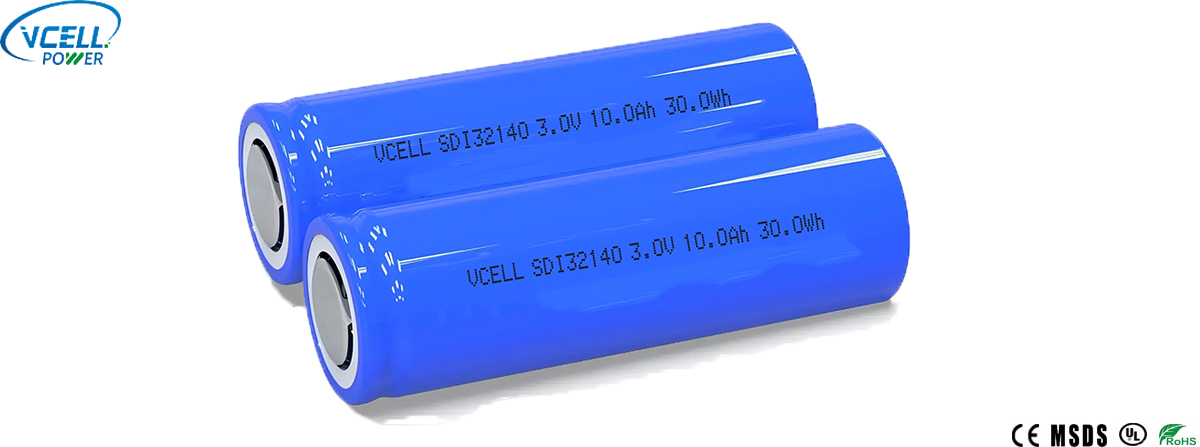
Table of Contents
- 1. What Is a Sodium Ion Battery?
- 2. How Does a Sodium Ion Battery Work?
- 3. Key Materials Used in Sodium Ion Batteries
- 4. Sodium Ion Battery vs Lithium-Ion Battery
- 5. Core Advantages of Sodium Ion Battery Technology
- 6. Limitations and Technical Challenges
- 7. Applications of Sodium Ion Batteries
- 8. Manufacturing and Scalability Trends
- 9. Why VCELL POWER Focuses on Sodium Ion Battery Innovation
- 10. Future Outlook of Sodium Ion Battery Technology
- FAQ
1. What Is a Sodium Ion Battery?
A Sodium Ion Battery is a rechargeable battery that stores and releases electrical energy through the movement of sodium ions (Na⁺) between the cathode and anode during charging and discharging cycles. Unlike lithium-ion batteries that rely on lithium—a relatively scarce and geopolitically sensitive resource—sodium-ion batteries use sodium, one of the most abundant elements on Earth.
Structurally, a sodium ion battery closely resembles a lithium-ion battery. It consists of:
- Cathode (typically layered oxides or Prussian blue analogs)
- Anode (usually hard carbon)
- Electrolyte containing sodium salts
- Separator to prevent short circuits
Because sodium shares similar chemical properties with lithium, sodium-ion technology can leverage existing battery manufacturing infrastructure with minimal modifications.
2. How Does a Sodium Ion Battery Work?
The working principle of a sodium ion battery is based on reversible electrochemical reactions:
- During charging, sodium ions move from the cathode to the anode through the electrolyte.
- Electrons flow through the external circuit, storing energy.
- During discharge, sodium ions return to the cathode, releasing stored energy.
This ion shuttling mechanism allows sodium ion batteries to deliver stable voltage output and long cycle life, making them suitable for stationary energy storage.
3. Key Materials Used in Sodium Ion Batteries
| Component | Common Materials | Function |
|---|---|---|
| Cathode | Layered Oxides, Prussian Blue | Hosts sodium ions during discharge |
| Anode | Hard Carbon | Stores sodium ions during charge |
| Electrolyte | Sodium Salts in Organic Solvents | Ion transport medium |
| Separator | Polymer Membrane | Prevents short circuit |
4. Sodium Ion Battery vs Lithium-Ion Battery
| Criteria | Sodium Ion Battery | Lithium-Ion Battery |
|---|---|---|
| Raw Material Availability | Very High | Limited |
| Cost Potential | Lower | Higher |
| Energy Density | Moderate | High |
| Safety | High Thermal Stability | Risk of Thermal Runaway |
| Ideal Use | Grid & Stationary Storage | EVs & Portable Electronics |
5. Core Advantages of Sodium Ion Battery Technology
- Abundant and low-cost sodium resources
- Reduced supply chain risks
- Improved safety performance
- Strong low-temperature performance
- Environmentally friendly materials
These advantages make sodium ion batteries particularly attractive for large-scale energy storage systems.
6. Limitations and Technical Challenges
Despite rapid progress, sodium ion battery technology still faces challenges:
- Lower energy density compared to lithium-ion
- Material optimization still ongoing
- Commercial standardization in progress
7. Applications of Sodium Ion Batteries
Sodium ion batteries are increasingly used in:
- Grid-scale energy storage
- Renewable energy buffering
- Telecom backup power
- Industrial energy systems
For detailed product specifications, refer to Sodium Ion Battery solutions by VCELL POWER .
8. Manufacturing and Scalability Trends
One of the strongest advantages of sodium ion battery manufacturing is compatibility with existing lithium-ion production lines, reducing capital investment and accelerating commercialization.
9. Why VCELL POWER Focuses on Sodium Ion Battery Innovation
VCELL POWER is actively investing in sodium ion battery research, production optimization, and application development. By combining material science expertise with scalable manufacturing, VCELL POWER aims to deliver safe, reliable, and cost-effective energy storage solutions to global markets.
10. Future Outlook of Sodium Ion Battery Technology
As global demand for sustainable energy storage grows, sodium ion batteries are expected to play a key role in reducing dependence on lithium resources and supporting renewable energy expansion.
Frequently Asked Questions (FAQ)
Is a sodium ion battery safer than lithium-ion?
Yes, sodium ion batteries generally exhibit better thermal stability and lower risk of overheating.
Can sodium ion batteries replace lithium-ion batteries?
They are not a full replacement but an excellent alternative for stationary and grid-scale storage.
Are sodium ion batteries environmentally friendly?
Yes, they rely on abundant materials and have a lower environmental footprint.
If you are exploring reliable and future-ready energy storage solutions, sodium ion battery technology is worth serious consideration. VCELL POWER is committed to helping partners transition to next-generation battery systems. To learn more about customized solutions, technical specifications, or bulk supply options, please contact us today and discover how sodium ion batteries can power your energy future.
Send Inquiry
-
WhatsApp
-
E-mail