
Abstract: Ni-MH (Nickel-Metal Hydride) batteries have become a cornerstone for high-power applications due to their high energy density, environmental benefits, and superior performance compared to older technologies like NiCd. This article explores the key advantages, technical specifications, applications, and best practices for using Ni-MH batteries, highlighting why VCELL POWER Ni-MH batteries are trusted by professionals worldwide.
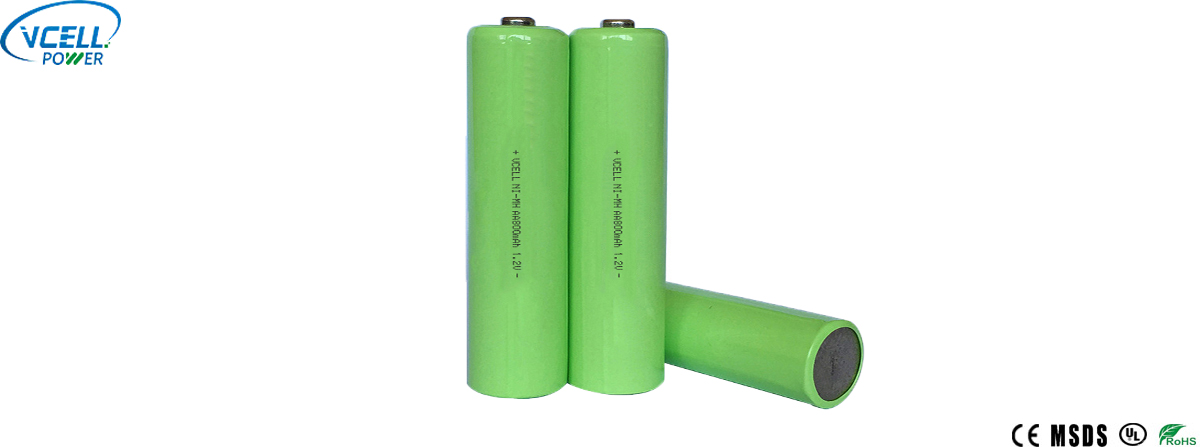
Table of Contents
- Introduction to Ni-MH Batteries
- Advantages of Ni-MH Batteries
- Applications of Ni-MH Batteries
- Performance Comparison: Ni-MH vs Other Batteries
- Technical Specifications
- Maintenance and Lifespan Optimization
- FAQ
- Conclusion
Introduction to Ni-MH Batteries
Nickel-Metal Hydride (Ni-MH) batteries are rechargeable batteries that have been widely adopted for high-power devices, ranging from power tools to electric vehicles. They store energy more efficiently than traditional Nickel-Cadmium (NiCd) batteries and avoid toxic cadmium content, making them environmentally friendly. Companies like VCELL POWER manufacture high-quality Ni-MH batteries that offer reliability and consistency for industrial and consumer applications.
Advantages of Ni-MH Batteries
- High Energy Density: Ni-MH batteries provide more energy per unit weight compared to NiCd batteries.
- Environmentally Friendly: They do not contain toxic cadmium, reducing environmental hazards.
- Reduced Memory Effect: Ni-MH batteries experience minimal memory effect, allowing partial charge cycles without significant capacity loss.
- Cost-Effective: With long lifespans and low maintenance, they offer a cost-effective solution for high-power devices.
Applications of Ni-MH Batteries
Ni-MH batteries are highly versatile and can be applied in multiple fields:
| Application | Usage Example | Battery Type Benefit |
|---|---|---|
| Electric Vehicles | Hybrid cars and scooters | High energy density and durability |
| Power Tools | Cordless drills, saws | Stable voltage and long run-time |
| Consumer Electronics | Cameras, flashlights, toys | Rechargeable convenience and long lifespan |
| Medical Devices | Portable monitoring devices | Reliable power without toxic content |
Performance Comparison: Ni-MH vs Other Batteries
Ni-MH batteries are often compared to Li-Ion and NiCd batteries. Here is a concise comparison:
| Battery Type | Energy Density | Cycle Life | Environmental Impact | Best Use |
|---|---|---|---|---|
| Ni-MH | High | 500–1000 cycles | Eco-friendly | High-power devices, hybrid cars |
| NiCd | Moderate | 1000+ cycles | Toxic cadmium | Legacy power tools |
| Li-Ion | Very High | 300–500 cycles | Moderate environmental impact | Mobile phones, laptops |
Technical Specifications
VCELL POWER Ni-MH batteries are engineered for performance and reliability. Key specifications include:
- Nominal Voltage: 1.2V per cell
- Capacity Range: 600mAh – 10,000mAh depending on application
- Operating Temperature: -20°C to 60°C
- Charge Method: Standard and fast charging supported
- Self-Discharge Rate: Low, around 1–3% per month
Maintenance and Lifespan Optimization
To maximize the lifespan of Ni-MH batteries, consider these best practices:
- Avoid overcharging: Use chargers with automatic cutoff features.
- Store in cool environments: High temperatures reduce battery life.
- Regular cycling: Occasionally discharge fully and recharge to maintain capacity.
- Clean contacts: Ensure terminals are free from dirt and corrosion.
- Use quality chargers: Inferior chargers may overheat or damage the battery.
Frequently Asked Questions (FAQ)
1. How long do Ni-MH batteries last?
Typically, a Ni-MH battery can last between 500 to 1000 charge cycles, depending on usage, temperature, and maintenance.
2. Can Ni-MH batteries be used in place of NiCd?
Yes, in most cases Ni-MH batteries can replace NiCd batteries, offering higher capacity and eco-friendly performance. However, check the device voltage compatibility.
3. Do Ni-MH batteries suffer from memory effect?
Ni-MH batteries have a minimal memory effect compared to NiCd batteries. Partial charging does not significantly reduce capacity.
4. Are VCELL POWER Ni-MH batteries suitable for electric vehicles?
Absolutely. VCELL POWER produces high-capacity Ni-MH battery packs optimized for hybrid and electric vehicles.
5. How should Ni-MH batteries be stored?
Store them in a cool, dry place and avoid complete discharge for long-term storage. Ideal storage temperature is around 15°C–25°C.
Conclusion
Ni-MH batteries offer a balanced solution of high energy density, environmental safety, and durability, making them ideal for high-power devices and industrial applications. Companies like VCELL POWER ensure premium quality through rigorous manufacturing and testing standards. If you are seeking reliable Ni-MH battery solutions for your projects or business, contact us today to discuss your requirements and explore our full range of high-performance battery products.