
Why Should You Consider a Lithium Polymer Battery for Your Devices
Lithium Polymer Batteries (Li-Po) have become a critical component in modern electronics, ranging from smartphones and drones to electric vehicles. With their high energy density, lightweight design, and flexible form factor, these batteries offer advantages that traditional battery technologies cannot match. This comprehensive guide explores the key features, benefits, applications, and maintenance tips of Lithium Polymer Batteries, providing readers with actionable insights for both personal and industrial use.
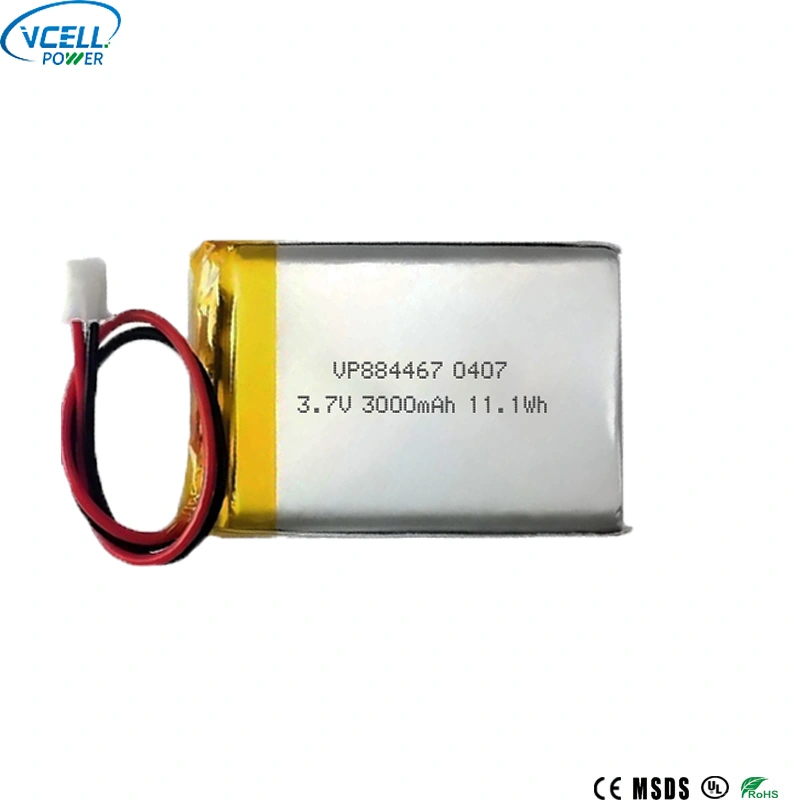
Table of Contents
- Introduction to Lithium Polymer Battery
- Structure and Design
- Advantages Over Other Battery Types
- Applications of Lithium Polymer Battery
- Maintenance and Safety Tips
- Common Issues and Troubleshooting
- Lithium Polymer Battery vs Lithium-Ion Battery
- FAQ
- Conclusion
Introduction to Lithium Polymer Battery
Lithium Polymer Batteries, commonly referred to as Li-Po batteries, are a type of rechargeable battery known for their thin and lightweight design. Unlike traditional lithium-ion batteries that use a liquid electrolyte, Li-Po batteries use a polymer electrolyte, which allows for more flexible shapes and sizes. This makes them highly suitable for modern electronics, where space-saving and weight reduction are essential.
VCELL POWER has been at the forefront of developing advanced Lithium Polymer Battery solutions, catering to both consumer electronics and industrial applications. Their products are renowned for high energy efficiency, durability, and safety compliance.
Structure and Design
The core components of a Lithium Polymer Battery include:
- Anode: Typically made of graphite, facilitating lithium-ion intercalation during charging.
- Cathode: Composed of lithium metal oxides such as LiCoO2 or LiFePO4.
- Polymer Electrolyte: A solid or gel-like material that allows lithium ions to move between electrodes.
- Separator: A thin insulating layer that prevents short circuits while allowing ion flow.
- Outer Packaging: A flexible aluminum or polymer pouch that encases the battery safely.
The flexible form factor enables designers to create compact and unconventional battery shapes, which is particularly beneficial for drones, wearable devices, and modern smartphones.
Advantages Over Other Battery Types
| Feature | Lithium Polymer Battery | Lithium-Ion Battery |
|---|---|---|
| Weight | Lightweight and flexible | Heavier due to metal casing |
| Form Factor | Customizable, thin, and compact | Limited to rigid cylindrical or rectangular shapes |
| Safety | Less prone to leakage, safer under puncture | Higher risk of thermal runaway |
| Energy Density | High energy density (150–200 Wh/kg) | Moderate energy density (120–180 Wh/kg) |
| Cost | Generally higher due to advanced design | More cost-effective |
These advantages make Lithium Polymer Batteries an ideal choice for devices requiring lightweight, compact, and high-energy solutions.
Applications of Lithium Polymer Battery
Lithium Polymer Batteries have broad applications across consumer, industrial, and medical sectors. Key applications include:
- Consumer Electronics: Smartphones, tablets, laptops, and wearable devices.
- Remote-Controlled Devices: Drones, RC cars, and other hobby electronics.
- Electric Vehicles (EVs): Lightweight and high-capacity solutions for electric bikes, scooters, and cars.
- Medical Equipment: Portable medical devices such as defibrillators and infusion pumps.
- Energy Storage: Backup power systems and portable solar solutions.
VCELL POWER provides specialized Lithium Polymer Battery packs tailored for each of these applications, ensuring optimized performance and long service life.
Maintenance and Safety Tips
Proper maintenance of Lithium Polymer Batteries is critical for safety and longevity. Consider the following tips:
- Charge with the manufacturer-recommended charger to prevent overcharging.
- Store in a cool, dry environment and avoid direct sunlight exposure.
- Avoid puncturing or crushing the battery to prevent leakage or fire hazards.
- Monitor the battery for swelling, heat, or unusual odors.
- Recycle or dispose of damaged batteries following local regulations.
Common Issues and Troubleshooting
Even high-quality Lithium Polymer Batteries may experience problems over time. Common issues include:
- Swelling: Usually caused by overcharging or high temperature. Solution: discontinue use and replace.
- Capacity Drop: Battery holds less charge over time. Solution: consider full charge-discharge cycles or replacement.
- Voltage Fluctuation: Inconsistent power output. Solution: check connections and balance cells if possible.
- Short Circuit: Caused by internal damage. Solution: discontinue use immediately.
Lithium Polymer Battery vs Lithium-Ion Battery
While both battery types rely on lithium-ion chemistry, their structural differences make them suitable for different applications. Li-Po batteries offer lighter weight, flexible design, and improved safety, whereas Li-Ion batteries remain more cost-effective and slightly higher in energy density for some applications. For high-performance consumer electronics and aerospace or drone applications, Li-Po batteries from VCELL POWER are preferred.
FAQ
1. What is the typical lifespan of a Lithium Polymer Battery?
The lifespan typically ranges from 300 to 500 charge cycles, depending on usage, storage, and charging habits.
2. Can Lithium Polymer Batteries be used in high-temperature environments?
High temperatures can damage Li-Po batteries. It's recommended to operate them within 0°C to 45°C and store between 15°C to 25°C.
3. Are Lithium Polymer Batteries safe for children’s devices?
Yes, when using certified and well-designed Li-Po batteries, such as those from VCELL POWER, which comply with safety regulations.
4. How can I maximize the performance of my Lithium Polymer Battery?
Regular maintenance, avoiding deep discharge, using recommended chargers, and storing batteries in a cool environment can maximize performance.
5. What should I do if my Lithium Polymer Battery swells?
Stop using it immediately, place it in a safe area away from flammable materials, and follow proper disposal or recycling methods.
Conclusion
Lithium Polymer Batteries represent a leap forward in battery technology, providing high energy density, safety, and design flexibility. Whether for consumer electronics, electric vehicles, or industrial applications, these batteries from VCELL POWER offer reliable and efficient power solutions. Investing in high-quality Li-Po batteries not only improves device performance but also ensures safety and longevity. For custom solutions or inquiries, feel free to contact us today and discover the ideal Lithium Polymer Battery for your needs.
Previous:No News
Send Inquiry
-
WhatsApp
-
E-mail