
What Are Lithium Polymer Batteries and How Do They Work
Article Summary: Lithium Polymer Batteries (LiPo) are a popular and highly efficient type of rechargeable battery commonly used in consumer electronics and electric vehicles. This blog post will explore the benefits, working principles, applications, and advantages of Lithium Polymer batteries, along with the factors you should consider when choosing a LiPo battery for your device. Read on to learn more about these cutting-edge power solutions offered by VCELL POWER.
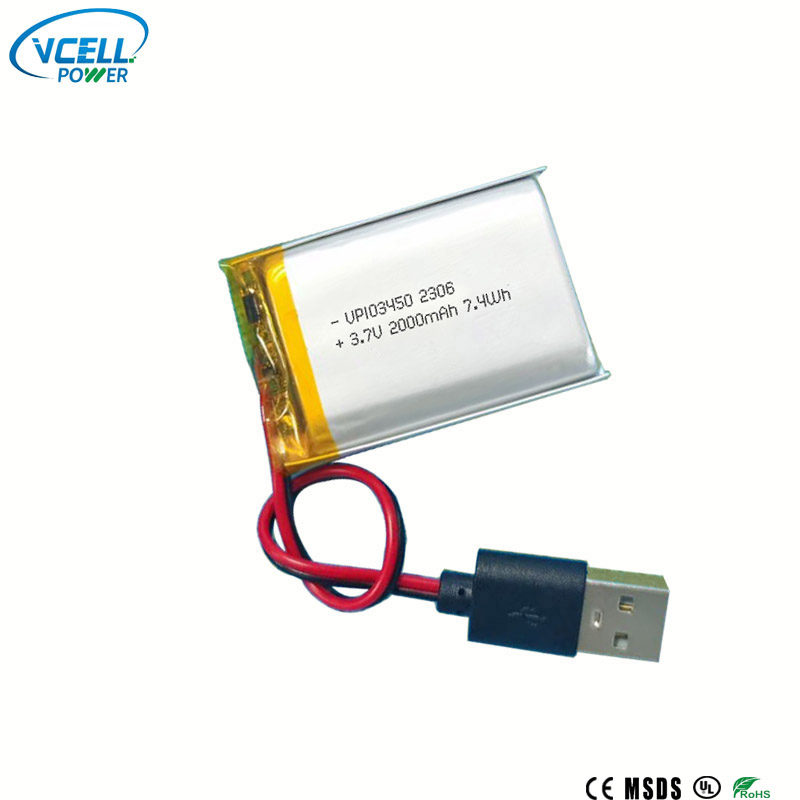
Table of Contents:
- Introduction
- What Is a Lithium Polymer Battery?
- How Do Lithium Polymer Batteries Work?
- Advantages of Lithium Polymer Batteries
- Applications of Lithium Polymer Batteries
- Choosing the Right Lithium Polymer Battery
- Frequently Asked Questions (FAQ)
Introduction
Lithium Polymer batteries, also known as LiPo batteries, are becoming increasingly popular in various industries due to their lightweight and flexible design. Unlike traditional batteries, LiPo batteries use a solid polymer electrolyte instead of a liquid electrolyte. This unique design offers many advantages, making them ideal for use in a wide range of applications, from smartphones to electric vehicles. In this blog post, we will dive into the basics of Lithium Polymer batteries, their working principles, and why they are considered the future of battery technology.
What Is a Lithium Polymer Battery?
A Lithium Polymer battery is a type of rechargeable battery that uses a solid polymer electrolyte instead of a liquid electrolyte, as is commonly found in traditional lithium-ion batteries. This design offers several distinct benefits, including a more flexible and lightweight structure. LiPo batteries are capable of holding a higher energy density than standard lithium-ion batteries, which allows them to store more energy in a compact form.
| Feature | Lithium Polymer Battery | Lithium-ion Battery |
|---|---|---|
| Electrolyte | Solid Polymer | Liquid Electrolyte |
| Weight | Lightweight | Heavier |
| Energy Density | Higher | Moderate |
| Flexibility | Highly Flexible | Rigid |
How Do Lithium Polymer Batteries Work?
The working principle of a Lithium Polymer battery is similar to other types of lithium-based batteries. It involves the movement of lithium ions between the positive and negative electrodes. However, the key difference is in the electrolyte used to facilitate this ion transfer. In LiPo batteries, the electrolyte is a solid polymer material that conducts lithium ions, allowing for a more compact and lightweight design.
- Anode: Typically made of carbon-based materials such as graphite.
- Cathode: Usually composed of a metal oxide.
- Electrolyte: A solid polymer material that enables the transfer of lithium ions.
- Separator: Prevents the anode and cathode from coming into direct contact with each other.
Advantages of Lithium Polymer Batteries
Lithium Polymer batteries offer several advantages over traditional batteries, which make them highly desirable in many applications:
- Lightweight: LiPo batteries are known for their lightweight design, making them perfect for portable devices and applications that require minimal weight.
- Flexible Design: Unlike conventional batteries, LiPo batteries can be made in various shapes and sizes, making them more versatile for different device types.
- High Energy Density: LiPo batteries can store more energy in a smaller space, allowing devices to run longer on a single charge.
- Safety: LiPo batteries are generally safer than traditional lithium-ion batteries, as they are less likely to leak or explode if damaged.
Applications of Lithium Polymer Batteries
LiPo batteries are widely used in several applications due to their compact size, high energy density, and versatility. Some of the common areas where Lithium Polymer batteries are used include:
- Consumer Electronics: Smartphones, tablets, laptops, and other portable devices.
- Electric Vehicles: LiPo batteries are often used in electric cars, scooters, and drones due to their lightweight and high energy density.
- RC Devices: Remote-controlled aircraft, cars, and boats.
- Medical Devices: Small medical devices like hearing aids and portable oxygen concentrators.
Choosing the Right Lithium Polymer Battery
When selecting a Lithium Polymer battery for your device, it's important to consider several factors to ensure optimal performance. Here are some key factors to keep in mind:
| Factor | Consideration |
|---|---|
| Capacity | Choose a battery with the right capacity (mAh or Ah) for your device's power needs. |
| Voltage | Ensure the battery voltage matches your device's requirements. |
| Discharge Rate | Check the discharge rate to ensure the battery can handle the power demands of your device. |
| Size and Shape | Choose a battery that fits your device's space requirements. |
Frequently Asked Questions (FAQ)
1. What is the lifespan of a Lithium Polymer battery?
The lifespan of a Lithium Polymer battery typically ranges from 300 to 500 charge cycles, depending on usage and maintenance. Proper charging and storage conditions can extend the lifespan.
2. Are Lithium Polymer batteries safe?
Yes, when handled properly, Lithium Polymer batteries are safe. However, like all rechargeable batteries, they should not be overcharged, punctured, or exposed to extreme temperatures.
3. Can Lithium Polymer batteries be recycled?
Yes, Lithium Polymer batteries can be recycled, although the process is more complex than recycling conventional batteries. Specialized recycling facilities are needed to process LiPo batteries.
Conclusion
Lithium Polymer batteries are an innovative and highly versatile power source that is revolutionizing the battery industry. With their lightweight design, high energy density, and flexible applications, they are the go-to solution for many modern devices and technologies. At VCELL POWER, we offer high-quality Lithium Polymer batteries designed to meet the power needs of various industries. Contact us today to learn more about how our cutting-edge battery solutions can power your devices.
Contact Us: If you have any questions or would like to learn more about our Lithium Polymer Batteries, feel free to contact us for more information.
Send Inquiry
-
WhatsApp
-
E-mail