
Why Should You Choose Li-SOCL2 Battery for High-Performance Applications
Article Summary: Li-SOCL2 batteries are widely recognized for their high energy density, long shelf life, and exceptional performance in extreme conditions. This comprehensive guide explores their working principles, advantages, applications, and best practices. Additionally, we introduce VCELL POWER’s premium Li-SOCL2 battery lineup, which sets a new standard for reliability in various industrial, medical, and military applications.
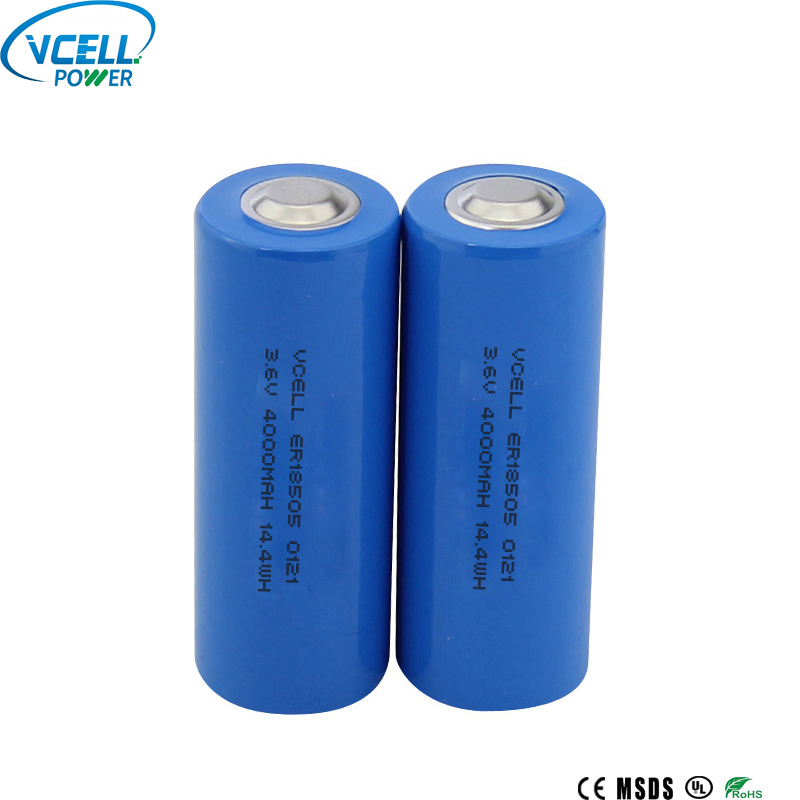
Table of Contents
- Introduction to Li-SOCL2 Battery
- Working Principle of Li-SOCL2 Battery
- Key Advantages of Li-SOCL2 Battery
- Applications of Li-SOCL2 Battery
- Comparison with Other Battery Types
- Maintenance and Storage Tips
- FAQ about Li-SOCL2 Battery
- Conclusion
Introduction to Li-SOCL2 Battery
Li-SOCL2 batteries, also known as lithium thionyl chloride batteries, are primary lithium batteries designed for long-lasting, high-energy applications. With their robust construction and high energy density, these batteries are perfect for devices that require stable performance over extended periods. VCELL POWER has been a pioneer in manufacturing high-quality Li-SOCL2 batteries suitable for industrial, medical, and military-grade devices.
- High voltage stability
- Extended shelf life
- Wide temperature range performance
- Compact design and light weight
Working Principle of Li-SOCL2 Battery
The Li-SOCL2 battery operates based on a chemical reaction between lithium metal and thionyl chloride (SOCl2). The overall electrochemical reaction generates a high voltage output and an exceptionally long service life. Its construction consists of:
| Component | Function |
|---|---|
| Lithium Anode | Provides high-energy material for oxidation |
| Thionyl Chloride Electrolyte | Acts as a solvent and participates in electrochemical reaction |
| Carbon Cathode | Conducts electrons and facilitates reduction reaction |
The result is a battery that can reliably supply a stable current for years without significant self-discharge, making it ideal for remote monitoring equipment, medical implants, and industrial sensors.
Key Advantages of Li-SOCL2 Battery
Li-SOCL2 batteries offer numerous benefits compared to other primary and secondary batteries. Some key advantages include:
- High Energy Density: Li-SOCL2 batteries can deliver up to 500 Wh/kg, which is significantly higher than alkaline or NiMH batteries.
- Long Shelf Life: These batteries have a shelf life of up to 20 years under proper storage conditions.
- Wide Temperature Range: Operable from -55°C to +85°C, ideal for extreme environments.
- Low Self-Discharge Rate: Less than 1% per year, ensuring readiness even after long storage.
- Lightweight and Compact: Perfect for applications where space and weight are critical factors.
Applications of Li-SOCL2 Battery
VCELL POWER’s Li-SOCL2 batteries have been deployed across multiple industries due to their reliability and long-term performance. Common applications include:
- Industrial: Remote sensors, gas metering, and pipeline monitoring
- Medical: Pacemakers, defibrillators, and other implantable devices
- Military: Communication devices, navigation systems, and emergency equipment
- Utility: Smart meters and security alarm systems
In addition, their stable voltage output ensures consistent performance for mission-critical applications where failure is not an option.
Comparison with Other Battery Types
When choosing a battery, understanding the differences between Li-SOCL2 and other chemistries is crucial. The table below highlights key distinctions:
| Battery Type | Energy Density (Wh/kg) | Shelf Life | Temperature Range | Cost |
|---|---|---|---|---|
| Li-SOCL2 | 500 | 10–20 years | -55°C to +85°C | High |
| Alkaline | 100–150 | 5–7 years | 0°C to +50°C | Low |
| NiMH | 60–120 | 3–5 years | -20°C to +60°C | Medium |
| Li-ion | 150–250 | 3–10 years | -20°C to +60°C | High |
Maintenance and Storage Tips
Even though Li-SOCL2 batteries are low-maintenance, adhering to storage and handling best practices can extend their life and performance:
- Store in a cool, dry place away from direct sunlight.
- Avoid physical shocks or punctures to prevent leakage.
- Keep the battery terminals clean and free of corrosion.
- Do not attempt to recharge as Li-SOCL2 batteries are primary (non-rechargeable).
VCELL POWER provides detailed handling and storage guidelines for all Li-SOCL2 battery models to ensure maximum performance and safety.
FAQ about Li-SOCL2 Battery
1. Are Li-SOCL2 batteries rechargeable?
No, Li-SOCL2 batteries are primary batteries and cannot be recharged. Attempting to recharge them may result in leakage or explosion.
2. What is the typical voltage output of a Li-SOCL2 battery?
These batteries typically provide 3.6V per cell, offering a stable voltage output throughout most of their lifespan.
3. How long can a Li-SOCL2 battery last in storage?
Under proper storage conditions, Li-SOCL2 batteries can last up to 20 years with minimal self-discharge.
4. Can Li-SOCL2 batteries be used in extreme temperatures?
Yes, they operate reliably between -55°C and +85°C, making them suitable for harsh environmental conditions.
5. Which industries benefit most from Li-SOCL2 batteries?
Industries such as medical devices, military equipment, industrial sensors, and utility systems benefit from the long shelf life and high reliability of Li-SOCL2 batteries.
Conclusion
Li-SOCL2 batteries have become a benchmark for high-energy, long-lasting power solutions. With superior energy density, long shelf life, and broad operational temperature ranges, they are suitable for critical applications across various industries. VCELL POWER offers a reliable lineup of Li-SOCL2 batteries designed to meet the most demanding requirements,
Send Inquiry
-
WhatsApp
-
E-mail