
Why Should You Choose a Lithium Polymer Battery for Modern Electronics
Article Summary: Lithium Polymer (LiPo) batteries are rapidly becoming the preferred power source for modern electronics due to their high energy density, lightweight design, and versatility. This article explores the advantages, applications, maintenance, and safety considerations of LiPo batteries. VCELL POWER, a leading manufacturer, provides innovative solutions tailored for various industries. This comprehensive guide helps you understand why LiPo batteries are shaping the future of portable energy solutions.
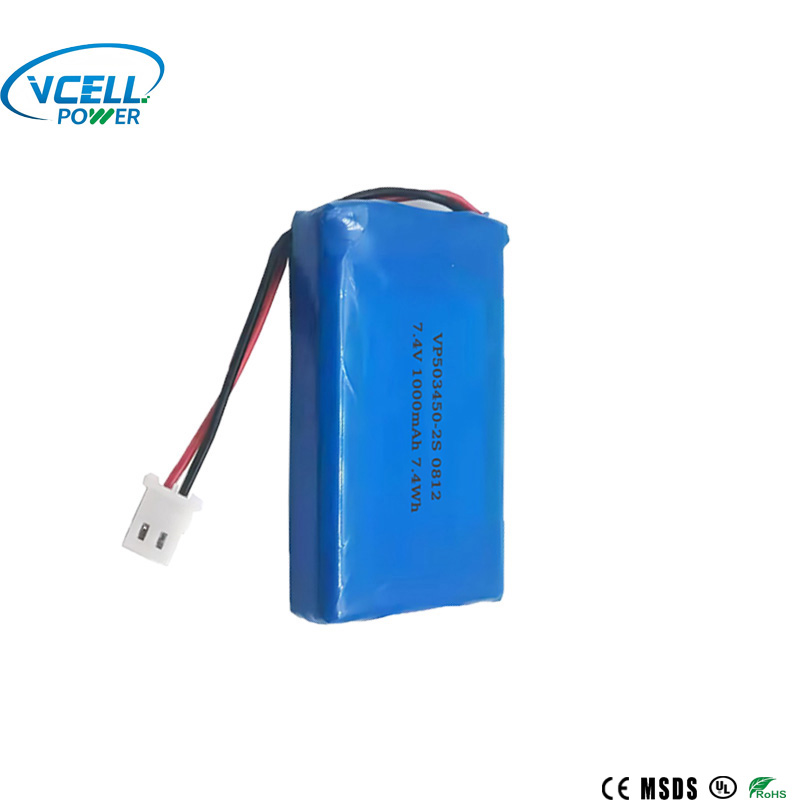
Table of Contents
- Introduction to Lithium Polymer Batteries
- Advantages of Lithium Polymer Batteries
- Applications in Modern Electronics
- Lithium Polymer vs Other Batteries
- Maintenance and Care Tips
- Safety Considerations
- Frequently Asked Questions (FAQ)
- Conclusion & Contact Information
Introduction to Lithium Polymer Batteries
Lithium Polymer batteries, often abbreviated as LiPo batteries, represent a significant innovation in portable energy storage. Unlike traditional lithium-ion batteries, LiPo batteries use a polymer electrolyte instead of a liquid one, allowing for a flexible, lightweight, and compact design. VCELL POWER specializes in producing high-quality LiPo batteries suitable for consumer electronics, drones, electric vehicles, and more.
The core benefits of Lithium Polymer technology include:
- High energy density
- Lightweight and flexible form factor
- Low self-discharge rate
- Enhanced safety compared to older lithium-ion designs
Advantages of Lithium Polymer Batteries
LiPo batteries offer several compelling advantages that make them a preferred choice for modern electronic devices:
| Feature | Benefit | Example Use Case |
|---|---|---|
| High Energy Density | Stores more energy in a smaller space | Drones, RC cars, portable devices |
| Lightweight | Reduces overall device weight | Wearables, smartphones, tablets |
| Flexible Form Factor | Can fit into various shapes and sizes | Custom electronics, medical devices |
| Low Self-Discharge | Maintains charge longer when not in use | Backup power systems, portable gadgets |
VCELL POWER’s LiPo batteries integrate these features, delivering consistent performance and reliability for professional-grade applications.
Applications in Modern Electronics
LiPo batteries are widely used in diverse industries due to their adaptability:
- Drones and UAVs: Lightweight and high-capacity LiPo batteries extend flight time and efficiency.
- Consumer Electronics: Smartphones, tablets, and laptops benefit from slim designs enabled by LiPo batteries.
- Electric Vehicles: Some electric cars and e-bikes use LiPo batteries for compact energy storage.
- Medical Devices: Portable medical instruments leverage LiPo’s flexibility and reliability.
VCELL POWER has developed LiPo battery solutions tailored for each of these applications, ensuring safety and long-lasting performance.
Lithium Polymer vs Other Batteries
Understanding the differences between LiPo and other battery types helps make an informed choice.
| Battery Type | Energy Density | Weight | Safety | Typical Use |
|---|---|---|---|---|
| Lithium Polymer (LiPo) | High | Low | Moderate | Drones, Electronics, EVs |
| Lithium-ion (Li-ion) | High | Moderate | Moderate | Smartphones, Laptops |
| Nickel-Metal Hydride (NiMH) | Moderate | High | High | Power tools, Cameras |
| Lead Acid | Low | High | High | Automobiles, Backup power |
LiPo batteries clearly excel in applications where lightweight, high-density power storage is essential.
Maintenance and Care Tips
Proper care extends the lifespan and safety of LiPo batteries. Key recommendations include:
- Store batteries at 40-60% charge for long-term storage.
- Avoid exposure to extreme temperatures (both hot and cold).
- Use only compatible chargers recommended by VCELL POWER.
- Inspect regularly for swelling, leakage, or damage.
- Dispose of damaged batteries through proper recycling channels.
Following these guidelines ensures maximum efficiency and reduces the risk of hazards.
Safety Considerations
While LiPo batteries are generally safe, misuse can lead to dangerous situations. Safety tips include:
- Never puncture or crush the battery.
- Avoid overcharging or discharging below safe limits.
- Use a LiPo safe charging bag for extra protection during charging.
- Keep away from flammable materials during use and storage.
VCELL POWER incorporates multiple safety layers in their LiPo batteries, including protective circuitry and high-quality materials.
Frequently Asked Questions (FAQ)
What is the lifespan of a Lithium Polymer battery?
Typically, LiPo batteries last between 300-500 charge cycles, depending on usage, charging habits, and storage conditions.
Can I use LiPo batteries in high-drain devices?
Yes. LiPo batteries are ideal for high-drain applications like drones and RC vehicles due to their high discharge rates.
How should I store LiPo batteries safely?
Store LiPo batteries at partial charge (40-60%) in a cool, dry place and avoid direct sunlight or extreme temperatures.
Are LiPo batteries better than lithium-ion batteries?
LiPo batteries offer more flexibility and lightweight design, making them preferable for compact or custom-shaped devices, though lithium-ion may offer slightly higher energy density for traditional cylindrical designs.
What are the main risks of LiPo batteries?
The main risks include swelling, overheating, and fire hazards if mishandled. Always follow manufacturer guidelines, such as those provided by VCELL POWER.
Conclusion & Contact Information
Lithium Polymer batteries are a game-changer in portable energy storage, offering high energy density, lightweight design, and flexible applications across industries. VCELL POWER delivers reliable and safe LiPo battery solutions for consumers and professionals alike. Whether you are powering drones, electric vehicles, or portable electronics, LiPo batteries provide efficiency and longevity.
For expert guidance and premium LiPo battery solutions, contact us today to explore VCELL POWER’s full range of products and services tailored to your needs.
Send Inquiry
-
WhatsApp
-
E-mail